






The Rise of Petanque in Indonesia
Petanque, a sport with deep roots in French culture, has gradually carved out a niche in Indonesia, particularly in regions like Sulawesi. Its journey into the archipelago is fascinating, marked by the influence of expatriates and the establishment of official organizations dedicated to its promotion. The fopikotaparepare.org website serves as a crucial resource for anyone interested in the sport’s development in Kota Parepare.
History of Petanque’s Introduction
The introduction of petanque to Indonesia is generally attributed to French expatriates who brought the sport with them. While the exact date of its inception in the country remains elusive, evidence suggests that petanque was first played in the 1990s. Early adopters included expatriates residing in major cities like Jakarta, Bali, and Yogyakarta, who established infrastructure to support the sport. For instance, hotels run by French nationals, such as Hotel Novotel in Kuta, provided facilities for expatriates to play. Moreover, cultural exchanges at institutions like the French consulate in Yogyakarta played a significant role in popularizing the sport among locals.
Development of FOPI Kota Parepare
The Federasi Olahraga Petanque Indonesia (FOPI) was officially founded in 2011, marking a significant milestone for the sport in Indonesia. In Kota Parepare, FOPI functions under the auspices of FOPI Provinsi Sulawesi Selatan and collaborates with KONI Kota Parepare, the main organizing body for sports at the regional level. This collaboration has been crucial in fostering interest and participation in petanque across the region.
Impact of SEA Games on Petanque Popularity
The SEA Games in 2011 posed a tremendous opportunity for petanque to gain national recognition. As the host of this prestigious event, Indonesia incorporated petanque as an official sport, greatly enhancing its visibility. The involvement of local athletes in the SEA Games not only showcased their skills but also ignited interest in petanque among younger generations. This exposure has led to increased enrollment in local clubs and training programs designed to nurture budding athletes.
FOPI Kota Parepare’s Mission and Goals
FOPI Kota Parepare is anchored by a mission to promote the sport at all levels while fostering community engagement. Their approach combines competitive play with grassroots initiatives that encourage broader participation across diverse demographics.
Building a Competitive Landscape for Athletes
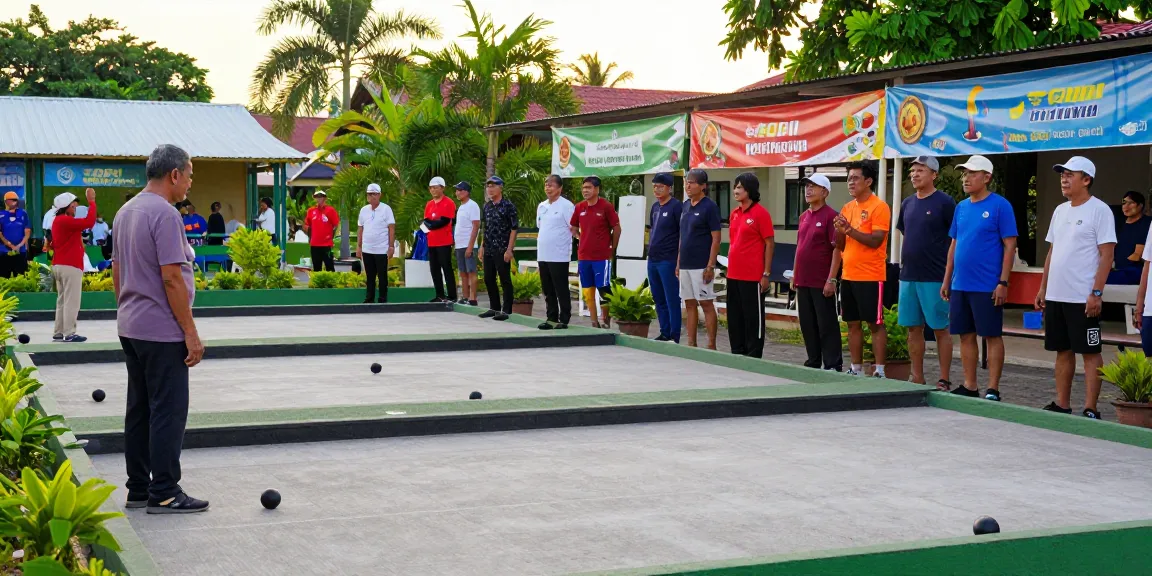
One of the primary goals of FOPI Kota Parepare is to establish a competitive framework for aspiring petanque athletes. This involves hosting regular tournaments, both locally and regionally, to provide athletes with opportunities to showcase their talents. Training camps are also organized to hone the skills of participants, ensuring that they are well-prepared for competitive play. The organization aims to elevate local talents to national and international platforms, thereby enhancing the reputation of Kota Parepare in the petanque community.
Community Engagement and Events
Community engagement is pivotal for FOPI Kota Parepare, as it organizes various events designed to involve local residents in petanque activities. These events not only serve as a platform for competition but also promote social interaction and cultural exchange. By hosting family-oriented events and open days, FOPI encourages wider participation, helping to demystify the sport and attract new enthusiasts.
Training Programs and Development Strategies
To nurture talent, FOPI Kota Parepare has launched comprehensive training programs aimed at different age groups. These programs are designed to provide essential skills and strategies needed to excel in petanque. Coaches conduct workshops and one-on-one sessions to cultivate technical skills while emphasizing the importance of teamwork and sportsmanship.
Key Factors Influencing Local Participation
Local participation in petanque is influenced by a variety of factors, ranging from cultural acceptance to accessibility of facilities. Understanding these factors is crucial for fostering a more inclusive environment for the sport.
Cultural Acceptance and Local Interest
The cultural context of a sport can significantly influence its acceptance among local communities. Petanque, with its French origins, initially faced skepticism from Indonesians who were unfamiliar with the game. However, as local clubs began integrating petanque into community activities, interest surged. FOPI Kota Parepare has played a pivotal role in promoting cultural acceptance by organizing community events that showcase the sport’s fun and communal aspects.
Challenges in Facility and Equipment Access
Despite growing interest, challenges remain regarding access to proper facilities and equipment. Many local players often rely on makeshift courts, which can hinder their development. To address this, FOPI is actively seeking partnerships with local governments and private sectors to improve infrastructure and provide necessary equipment for aspiring players.
Strategies to Increase Community Involvement
To further enhance community involvement, FOPI Kota Parepare employs several strategies. These include outreach programs in schools to introduce petanque as part of physical education, collaborations with local businesses to sponsor events, and leveraging social media platforms to attract a younger audience. By fostering an environment of inclusivity and friendliness, the organization aims to make petanque a beloved sport in the community.
Essential Skills and Techniques for Success in Petanque
Success in petanque requires a combination of technical skills, strategy, and teamwork. Understanding these key components can significantly enhance performance on the court.
Fundamental Techniques for Beginners
For those new to petanque, mastering the basics is essential. Key techniques include the ability to throw the boule accurately and to develop a keen strategic sense of positioning. Beginners are encouraged to practice regularly, focusing on their grip, stance, and release techniques. Joining a local club can also provide valuable mentorship from experienced players.
Advanced Strategies for Competitive Play
As players progress, they must learn advanced strategies to compete effectively. This includes tactics such as anticipating opponents’ moves, understanding terrain advantages, and mastering defensive plays. Participating in local tournaments can provide practical experience and expose players to various playing styles.
Importance of Team Dynamics and Collaboration
Petanque is inherently a team sport, and collaboration is vital for success. Players must develop strong communication channels with their teammates to synchronize their strategies effectively. FOPI Kota Parepare emphasizes the importance of building team cohesion through group training sessions and team-building activities.
Future Trends for Petanque and FOPI Kota Parepare
As petanque continues to grow in Indonesia, several trends are emerging, indicating its promising future. These trends are driven by technological advancements, evolving cultural dynamics, and a heightened focus on youth involvement.
Emerging Technologies in Coaching and Training
Technology is beginning to play a substantial role in coaching methodologies. Video analysis tools, for example, allow coaches to review gameplay and provide constructive feedback to athletes. These innovations can enhance training efficiency and player performance by identifying strengths and areas requiring improvement.
Predicted Growth in Youth Involvement
With increasing awareness of petanque among youths, FOPI Kota Parepare is seeing a surge in participation rates among younger demographics. Schools are beginning to adopt petanque as part of their physical education programs, creating a pipeline of future talent. This trend not only nurtures potential athletes but also promotes fitness and teamwork among youth.
Long-Term Vision for Sports in Kota Parepare
FOPI Kota Parepare envisions a vibrant sports community where petanque thrives alongside other local sports. Their goal is to secure funding for facilities, expand training programs, and host larger regional tournaments. By fostering an inclusive environment, FOPI aims to make Kota Parepare a hub for petanque in Indonesia, encouraging both competitive and recreational play.