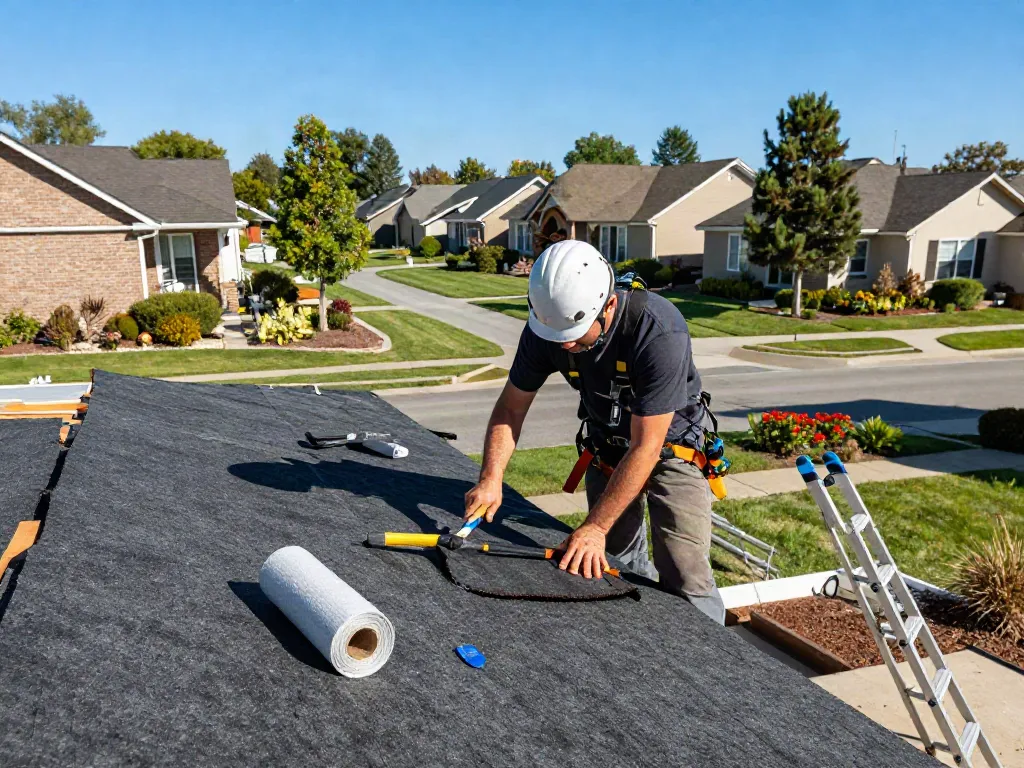
1. Understanding the Importance of Felt Roof Replacement
Felt roofing is a popular choice for flat roofs due to its durability and cost-effectiveness. As homeowners, understanding when to replace your felt roof is vital for maintaining the structural integrity of your property. With the right knowledge, you can make informed decisions that maximize both protection and value. When exploring options, felt roof replacement provides comprehensive insights into how to approach this critical maintenance task.
What is Felt Roofing and Its Benefits?
Felt roofing, primarily made from fiberglass or bitumen materials, offers numerous advantages—chiefly its weather resistance, affordability, and ease of installation. It forms a waterproof barrier, protecting your home from moisture that can lead to severe structural damage. Moreover, modern felt roofing systems include multiple layers that enhance durability and lifespan, giving homeowners peace of mind against the elements.
Why Timely Replacement Is Crucial?
Timely replacement of a felt roof is critical to avoid extensive damage and costly repairs. As felt roofs age, they may become brittle and prone to leaks, especially after heavy rainfall or during icy conditions. Addressing these issues promptly can save you from more significant problems down the line, including damage to insulation and framing.
Common Signs That You Need Replacement
- Visible Damage: Look for tears, cracks, or significant wear on the surface.
- Water Leaks: Puddles or water stains inside the building can indicate leaks.
- Bubbling or Blistering: These signs point to trapped moisture and deterioration.
- Age of the Roof: Most felt roofs last around 10-20 years; if yours is reaching the end of its life, it's time to consider replacement.
2. Selecting the Right Materials for Your Felt Roof Replacement
Types of Felt Roofing Materials Available in 2026
As we progress into 2026, various felt roofing materials have emerged, catering to different needs and preferences. Traditional bitumen felt continues to be popular, but newer options such as EPDM (Ethylene Propylene Diene Monomer) rubber are gaining traction due to their enhanced durability and energy efficiency. Liquid-applied membranes and reinforced felt systems are also viable alternatives, offering significant weather resistance and longevity.
How to Evaluate Material Durability and Quality?
When selecting materials for your felt roof replacement, it's essential to evaluate their durability and quality. Check for manufacturer's warranties, material certifications, and customer reviews. Additionally, consider the thickness and reinforcement of the material, as these factors can significantly impact your roof's lifespan and performance.
Cost Comparison: Different Materials for Felt Roof Replacement
The costs associated with felt roofing materials can vary considerably. Basic bitumen felt may cost around £10-£20 per square meter, while EPDM can range from £25-£40 per square meter. Liquid-applied membranes are often higher at £30-£50 per square meter but are known for their longevity and seamless application. Make sure to factor in the costs of labor, as professional installation can also impact the overall budget.
3. Professional vs. DIY Felt Roof Replacement
When to Hire a Professional Roofer?
Hiring a professional roofer is advisable when dealing with significant repairs or full replacements. Experienced roofers can ensure that the job adheres to local building codes and best practices, minimizing the risk of future issues. Moreover, professionals have access to high-quality materials and the necessary tools, which can save you time and potential mistakes.
Pros and Cons of DIY Felt Roof Replacement
While some homeowners may consider DIY felt roof replacement to save money, it comes with its own set of challenges. The pros include saving on labor costs and learning a new skill. However, the cons often outweigh the benefits; common pitfalls include improper installation, which could lead to leaks, and the lack of warranties or guarantees on work performed.
Common Mistakes in DIY Roofing Projects
- Inadequate Preparation: Failing to prepare the roof surface properly can compromise the new installation.
- Neglecting Insulation: Not adding or replacing insulation can lead to efficiency problems in the long term.
- Ignoring Safety Protocols: Roofing can be dangerous; ensure you follow safety regulations and use appropriate equipment.
- Misjudging Material Needs: Underestimating the quantity of materials needed can lead to project delays.
4. Steps Involved in the Felt Roof Replacement Process
Preparing Your Home for Roof Replacement
Preparation is key to a successful felt roof replacement. Start by clearing the area around your home to provide easy access for workers and materials. Additionally, ensure that you protect any nearby plants, garden features, or outdoor furniture that could be affected by debris or falling tools.
Detailed Step-by-Step Replacement Guide
- Remove Old Felt: Strip away the old felt roofing, ensuring that any damaged materials underneath are addressed.
- Inspect the Roof Deck: Check for water damage or weak spots that may need repair before proceeding.
- Apply Underlayment: Lay down a new underlayment to provide an additional layer of protection against moisture.
- Install New Felt: Roll out the new felt, ensuring it overlaps properly to prevent water ingress.
- Seal Seams and Edges: Use roofing adhesive to seal the seams and edges, enhancing waterproofing.
- Finish with a Top Layer: Add a protective layer, which can be mineral surfaced felt or a liquid-applied membrane.
Post-Replacement Maintenance Tips
After the replacement, regular maintenance is essential to extend the life of your new felt roof. Schedule annual inspections, clear debris regularly, and address any signs of wear promptly. Keeping an eye on these factors helps ensure that your investment remains protected for years to come.
5. Future Trends in Felt Roofing and Replacement Innovations
Technological Advancements in Roofing Materials
The roofing industry is seeing significant advancements with the introduction of smart roofing materials that adapt to environmental changes. For instance, some modern felt systems incorporate thermal insulation and reflective properties that contribute to energy efficiency and lower utility bills, making them a worthy consideration for future replacements.
Eco-Friendly Options for Modern Felt Roofing
As sustainability becomes increasingly important, eco-friendly felt roofing options are becoming more available. These options often use recycled materials and environmentally friendly adhesives, allowing homeowners to make responsible choices while ensuring effective roof protection.
Market Trends and Predictions for 2026 and Beyond
Looking ahead to 2026 and beyond, the felt roofing market is expected to continue growing. With increasing awareness of energy efficiency and building sustainability, more innovative materials and installation techniques will emerge. Homeowners should stay updated on these changes to make informed decisions regarding roof replacements.
FAQs
Can I refelt a roof myself?
While some homeowners may be capable of handling minor repairs, a full refelt replacement is best left to professionals to avoid potential pitfalls.
What is the life expectancy of a felt roof?
Generally, a well-installed felt roof can last between 10 to 20 years, depending on the materials used and maintenance practices.
Should you remove old felt when replacing a roof?
Yes, it’s advisable to remove the old felt to assess any underlying damage and ensure proper installation of the new materials.
Can you put new felt on top of old felt?
While it is possible to apply new felt on top of old felt, this practice can lead to complications such as trapped moisture and decreased life expectancy of the new roof.
What are the costs associated with felt roof replacement?
Costs can vary widely based on material choice and the complexity of the project. On average, expect to spend between £50-£100 per square meter, including labor and materials.