Understanding the Concept of Other Learning Techniques
In the field of education, the term "other" encompasses a vast range of alternative learning techniques that extend beyond traditional methods. As educators and students strive to find the best approaches to learning, understanding these "other" strategies becomes increasingly essential. Today, educational environments are evolving, and there is a growing recognition of diverse learning styles and the need for tailored methodologies. By acknowledging these variations, educators can create an inclusive atmosphere that caters to all students. When exploring options, other techniques can significantly enhance engagement and effectiveness in learning.
What Does "Other" Mean in Education?
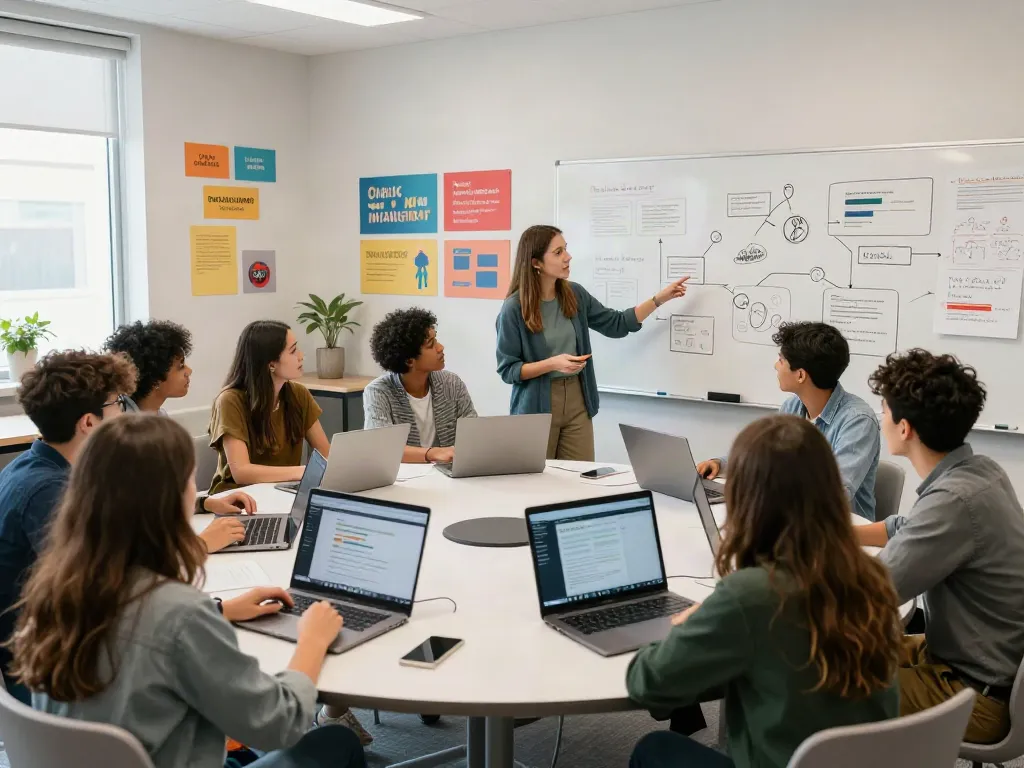
The term "other" in educational contexts typically refers to alternative methods or strategies that differ from mainstream teaching practices. These may include experiential learning, collaborative projects, hands-on activities, and technology-assisted methodologies. The idea is to diversify learning experiences to accommodate various student needs, preferences, and challenges. By integrating "other" learning techniques, educators can foster creativity, critical thinking, and greater retention of information among students.
Types of Other Learning Techniques
Various "other" learning techniques exist, each with unique advantages:
- Experiential Learning: This method emphasizes learning through experience, allowing students to engage directly with the material.
- Project-Based Learning: Students work on projects that combine multiple disciplines, enhancing their problem-solving and teamwork skills.
- Flipped Classroom: In this model, students learn new content at home and apply it in the classroom, promoting active learning.
- Gamification: Incorporating game elements into learning can motivate students and make learning enjoyable.
- Social Learning: This technique encourages collaboration among peers, fostering a sense of community and shared knowledge.
Benefits of Including Other Methods in Learning
Integrating other methods into the traditional curriculum can yield numerous benefits:
- Diverse Learning Opportunities: Different methods cater to various learning styles, ensuring that all students can engage meaningfully.
- Increased Engagement: By making learning more interactive, students are likely to be more motivated and attentive.
- Improved Critical Thinking: Other techniques often require students to think critically and solve problems, enhancing cognitive skills.
- Collaboration and Social Skills: Many of these methods promote teamwork, helping students develop essential interpersonal skills.
Identifying Your Learning Style and Other Methods
Understanding your learning style is crucial when exploring other methods. Each individual has unique preferences that can influence how they absorb and process information. Identifying your learning style can guide you in selecting complementary methods that enhance the learning experience.
Assessing Your Primary Learning Style
Learning styles are often categorized into three types: visual, auditory, and kinesthetic. To assess your primary learning style, consider the following:
- Visual Learners: Prefer diagrams, charts, and visual aids to understand concepts.
- Auditory Learners: Benefit from listening to lectures and discussions, often retaining information better through sound.
- Kinesthetic Learners: Learn best through hands-on activities and movement, requiring physical engagement with the material.
Common Misconceptions About Other Techniques
Despite the advantages of other learning techniques, several misconceptions persist:
- Some believe that alternative methods are less rigorous than traditional approaches, but many foster deeper understanding.
- Others think these methods are only for struggling students, whereas they can benefit all learners.
- There is a notion that integrating diverse methods requires too much time, but many can be incorporated seamlessly into existing curricula.
Choosing Complementary Methods for Enhanced Learning
To maximize the benefits of other learning techniques, it’s essential to choose methods that complement your primary learning style. For example:
- If you are a visual learner, consider integrating infographics alongside project-based learning.
- Auditory learners might thrive in a flipped classroom setup where peer discussions enhance understanding.
- Kinesthetic learners can benefit from gamification elements that require physical movement and interaction.
Practical Strategies for Integrating Other Techniques
Once you understand your learning style and the available techniques, the next step is practical integration into your study routine or educational framework.
Step-by-Step Implementation of Various Techniques
Integrating other techniques requires a structured approach:
- Identify Objectives: Determine what you want to achieve through the integration of other methods.
- Select Techniques: Choose one or more techniques that align with your goals and learning styles.
- Plan Activities: Design activities that incorporate these methods, ensuring they fit the overall curriculum.
- Evaluate and Adjust: After implementation, assess the effectiveness of these techniques and make adjustments as needed.
Measuring the Success of Integrated Learning Methods
To determine the success of integrating other techniques, consider the following metrics:
- Student engagement levels during activities.
- The improvement in test scores or project outcomes.
- Feedback from students regarding their learning experiences.
Adapting Techniques for Different Subjects
The versatility of other learning techniques means they can be applied across various subjects:
- Math: Use gamification to make complex problem-solving enjoyable.
- Science: Implement project-based learning with experiments and practical applications.
- Literature: Encourage social learning through group discussions and presentations.
Real-World Examples of Successful Learning Integration
Examining how other techniques have been effectively implemented in real-world settings can provide valuable insights.
Case Studies: Schools Using Other Techniques
Schools across the globe have adopted innovative practices that mitigate the limitations of traditional learning. For example:
- A school in Finland has successfully implemented project-based learning by allowing students to select their topics, fostering engagement and ownership of learning.
- An urban school in the U.S. integrates technology through flipped classrooms, where students learn theoretical content online and apply it during in-person sessions.
Interviews with Educators on Effective Practices
Educators highlight the importance of integrating other methods. According to a middle school teacher, “Using collaborative projects has made my students more enthusiastic about learning; they take pride in their contributions.” Another educator emphasizes that “gamification has transformed how students approach challenges, leading to enhanced problem-solving skills.”
Student Testimonials on Improved Learning Experiences
Students report positive changes when engaging with integrated learning techniques. One student noted, “Project-based learning helped me understand concepts better, as I could see how they apply in real life.” Another shared, “I enjoyed learning through games; it didn’t feel like schoolwork, and I learned so much more.”
Future Trends in Educational Methods for 2026 and Beyond
As we approach 2026, the educational landscape will continue to evolve. Emerging trends promise to shape how learning occurs.
Emerging Technologies Shaping Education
Technologies such as artificial intelligence and virtual reality are set to transform educational approaches. These technologies can provide personalized learning experiences and immersive environments for students.
Predicted Shifts in Learning Preferences
Students are increasingly favoring interactive, technology-driven methods over traditional approaches. This shift signifies a broader acceptance of diverse learning techniques in mainstream education.
The Role of "Other" in Evolving Educational Systems
The concept of "other" will play a crucial role in shaping future educational practices. It will encourage ongoing innovation and adaptation to meet the dynamic needs of learners.
What are some examples of "other" learning methods?
Examples include experiential learning, project-based learning, and flipped classrooms. These methods engage students actively and can be tailored to various subjects and learning styles.
How can I identify my learning style?
Identifying your learning style involves reflecting on how you prefer to learn. Tools like questionnaires or assessments can help you recognize whether you are a visual, auditory, or kinesthetic learner.
What benefits do alternative learning techniques provide?
Alternative learning techniques can enhance engagement, improve retention, and foster critical thinking and collaboration among students, leading to a richer learning experience.
Can integrating other methods improve learning outcomes?
Yes, integrating other methods can result in improved learning outcomes by catering to diverse learning styles and fostering a more inclusive educational environment.
What future trends should educators watch for?
Educators should keep an eye on emerging technologies, changing learning preferences, and the ongoing integration of diverse techniques in educational practices to stay ahead in the evolving landscape.