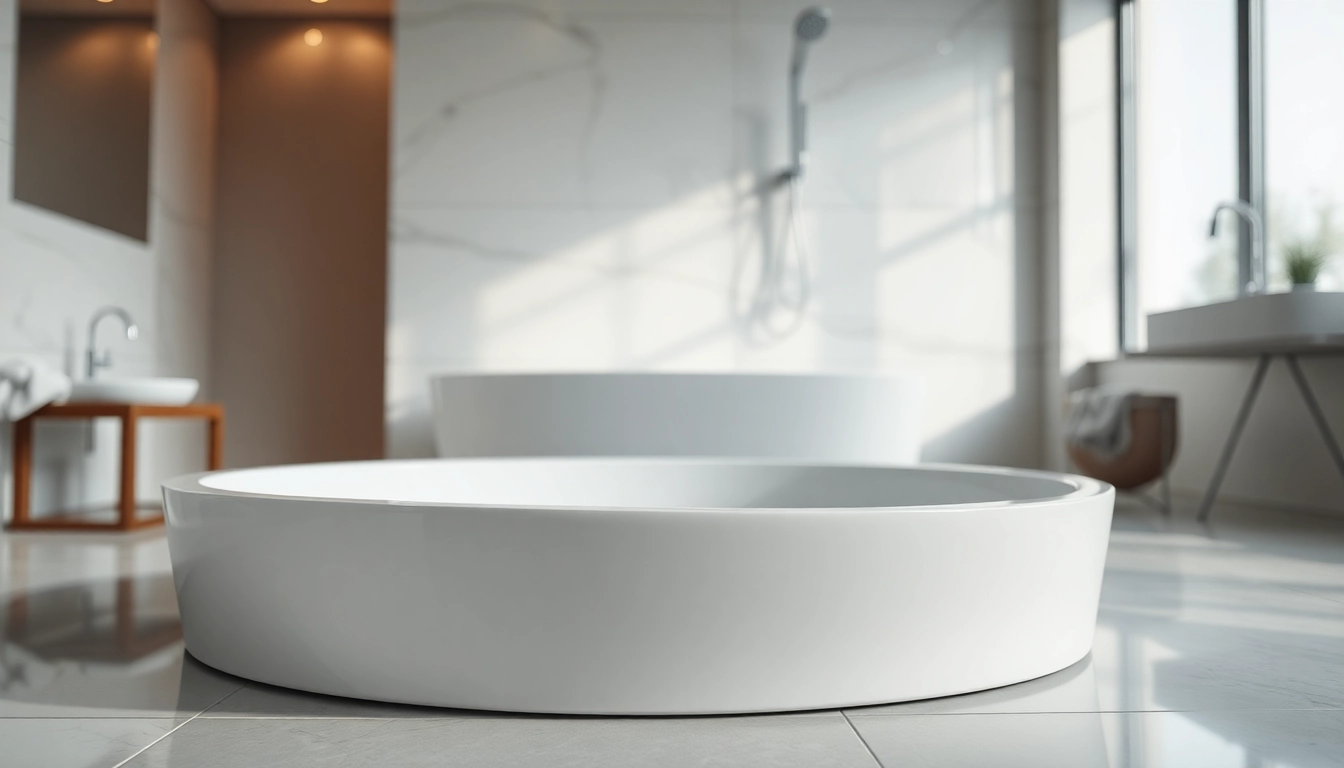
Understanding Shower Base Shower Options
Choosing the right shower base shower can significantly enhance both the functionality and aesthetics of your bathroom. With a plethora of options available, it's essential to understand the various materials, sizes, configurations, and price ranges to make an informed decision that best suits your needs.
Material Choices for Shower Base Shower
The material of your shower base plays a vital role in its performance, durability, and maintenance. Common materials include:
- Acrylic: Lightweight and available in various colors and designs, acrylic shower bases are easy to install and resistant to chipping and cracking.
- Fiberglass: Known for its affordability, fiberglass is often used in budget-friendly options but can be less durable than other materials.
- Cast Iron: Highly durable and can sustain heavy loads, cast iron bases often have an enamel coating, providing a glossy finish that is easy to clean.
- Stone Resin: Offers a luxurious feel, stone resin shower bases are dense and can be designed to mimic natural stone, providing both aesthetics and durability.
- Tile: For those seeking customization, tile shower bases can be designed in numerous patterns and colors, however, they require more maintenance to prevent grout staining.
Sizes and Configurations of Shower Base Shower
The size of a shower base is a significant consideration, influencing both the space and comfort of your shower experience. Standard sizes range from:
- 30"x30"
- 32"x32"
- 36"x36"
- 42"x42"
- 60"x30"
Additionally, configurations such as square, rectangular, and neo-angle bases must also be considered. The right configuration can help maximize space in smaller bathrooms or fit neatly into corner setups.
Price Ranges for Quality Shower Base Shower
When budgeting for your shower base shower, prices vary based on material, size, and brand. On average, you can expect to spend around:
- Acrylic: $200 - $800
- Fiberglass: $150 - $500
- Cast Iron: $500 - $1,500
- Stone Resin: $700 - $1,300
- Tile: $500 and up, depending on tile choice.
Investing in a higher-quality shower base can lead to reduced maintenance costs and increased durability over time.
Benefits of Installing a Shower Base Shower
Installing a shower base shower brings numerous benefits that can enhance the overall bathing experience, making it an attractive option for homeowners.
Durability of Shower Base Shower Materials
All materials have unique durability characteristics:
- Acrylic and Fiberglass: Resilient against cracks but may show scratches over time.
- Cast Iron: Highly durable and resistant to heavy impacts.
- Stone Resin: Extremely tough with proper maintenance, resisting chips and cracks better than acrylic.
- Tile: While prone to chipping, when set correctly, they can last for decades.
Ease of Maintenance for Shower Base Shower
Ease of maintenance can vary by material:
- Acrylic: Requires basic cleaning with non-abrasive products.
- Fiberglass: Also easy to maintain, though may need periodic resealing.
- Cast Iron: Simple to clean, however, handle with care to avoid rust.
- Stone Resin: Somewhat more complex due to sealing requirements.
- Tile: Regular cleaning of grout lines is necessary to maintain appearance.
Design Versatility of Shower Base Shower
Another attractive benefit of shower bases is the design versatility they offer:
- Customization: Many materials allow for a range of styles, colors, and finishes.
- Integration: Can easily be integrated with various faucet designs, showerheads, and tiling for a cohesive look.
- Luxury Accessories: Installation of additional features, such as built-in benches or shelf units, is often possible to enhance your shower experience.
Installation Process for Shower Base Shower
Proper installation is crucial for the long life and effectiveness of your shower base shower. This section covers the tools needed and a comprehensive guide to the installation process.
Tools Needed for Shower Base Shower Installation
Gathering the right tools ahead of time will streamline the installation process. Essential tools include:
- Measuring tape
- Level
- Saw (if cutting is necessary)
- Tile adhesive (if using a tiled base)
- Grout (for tile installations)
- Caulk and caulking gun
- Drill
- Screwdriver
- Safety goggles
- Gloves
Step-by-Step Guide to Installing a Shower Base Shower
- Preparation: Ensure the subfloor is clean, level, and sturdy.
- Positioning: Place the shower base on the intended spot without attaching it to confirm fit.
- Adjust Level: Use a level tool to ensure the base sits correctly. Adjust with shims if necessary.
- Plumbing Setup: Make sure plumbing fixtures are compatible and accessible before final placement.
- Securing in Place: Follow manufacturer’s instructions to secure the base, applying adhesive or using screws if necessary.
- Sealing: Use caulk around edges to prevent water leakage.
Common Mistakes in Shower Base Shower Installation
Awareness of common pitfalls can save time and frustration:
- Incorrect leveling, which can lead to pooling water.
- Improper sealing causing water damage.
- Omitting support structures like mortar to help firmly set the base.
- Rushing the installation process instead of following guidelines thoroughly.
- Neglecting to measure drainage positions correctly.
Enhancing Your Shower with Accessories
Elevating the experience of your shower base shower doesn't stop at the base itself. Accessories play a crucial role in functionality and aesthetic appeal.
Shower Fixtures that Complement Shower Base Shower
Choosing the right fixtures can enhance both performance and visual harmony:
- Showerheads: Opt for adjustable and multi-function showerheads for a customizable experience.
- Faucets: Ensure they are compatible with your chosen base and style to create a unified look.
- Handheld Options: Incorporate a handheld spray for versatility, especially in family-friendly designs.
How to Choose Shower Doors for Shower Base Shower
Shower doors significantly affect the design and accessibility of your shower space:
- Framed vs. Frameless: Framed doors offer stability while frameless designs lend a modern aesthetic.
- Sliding vs. Hinged: Consider your space constraints; sliding doors are great for tight spaces.
- Glass Type: Opt for tempered glass for safety and design appeal.
Luxury Add-Ons for Your Shower Base Shower
If you're looking for a more opulent shower experience, consider adding:
- Built-in Benches: Perfect for relaxation and convenience.
- Lighting Fixtures: Add pendant lights or recessed lighting to elevate the ambiance.
- Steam Showers: Transform your shower into a mini spa, perfect for relaxation and health benefits.
Maintaining Your Shower Base Shower
Ultimately, maintenance is key to prolonging the life of your shower base shower. Proper practices will keep it looking pristine and functioning well.
Cleaning Tips for Shower Base Shower
Regular cleaning is essential to prevent buildup and maintain hygiene:
- Use non-abrasive cleaners to avoid scratching surfaces.
- Stick to a routine cleaning schedule, ideally weekly or bi-weekly.
- Pay special attention to corners and grout lines where mold may accumulate.
Preventing Damage to Shower Base Shower
Taking preventive measures can save you from costly repairs in the future:
- Use mats in the shower to prevent slipping and scratches.
- Ensure proper ventilation to minimize moisture build-up and mold growth.
- Be cautious with heavy items; avoid dropping them on the shower base.
Signs Your Shower Base Shower Needs Replacement
Being aware of signs that suggest it’s time for a replacement can save you hassle:
- Cracks or chips in the surface that are beyond repair.
- Water pooling around the base indicating improper drainage.
- Persistent discoloration or stains that can’t be cleaned.
- Increased mold growth despite regular cleaning.
- Signs of rust or corrosion especially on metallic bases.
Frequently Asked Questions
1. What is the best material for a shower base?
Acrylic and stone resin are popular for their durability and ease of maintenance. Cast iron is also a great choice for its longevity.
2. How long does a shower base last?
With proper maintenance, a shower base can last anywhere from 10 to 30 years depending on material and usage.
3. Can I install a shower base myself?
Yes, experienced DIYers can install a shower base, but it's crucial to follow manufacturer instructions for the best results.
4. How do I clean my shower base?
Use a non-abrasive cleaner and a soft cloth or sponge. Regular cleaning will prevent stains and buildup.
5. What should I do if my shower base is leaking?
Identify the leak location and check seals. If the issue persists, consider consulting a professional to assess the situation.