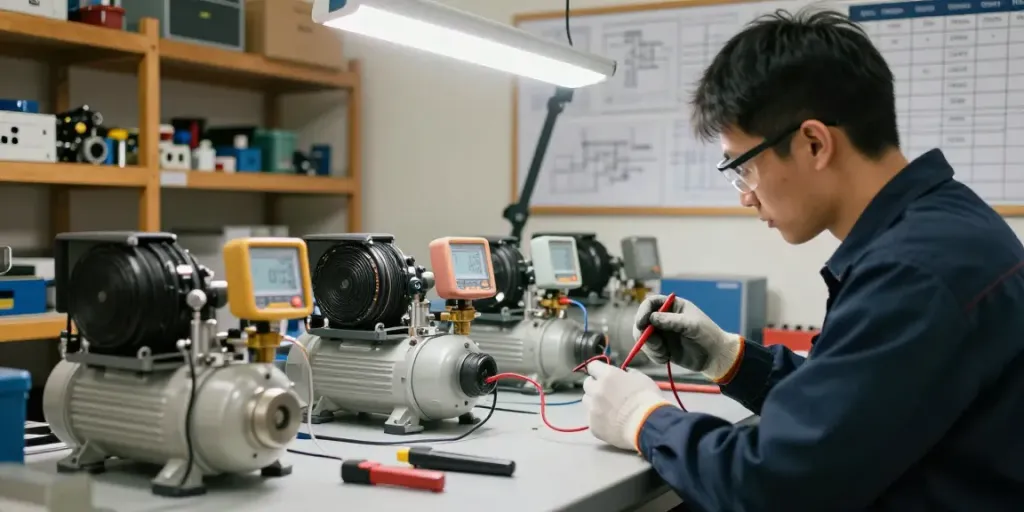
Understanding Air Compressor Pressure Switch Functions
At the core of effective air compressor operation lies a crucial component: the air compressor pressure switch. This device significantly influences the functionality and efficiency of the entire system, ensuring consistent performance across a variety of applications. By regulating the pressure within the air compressor system, pressure switches play a pivotal role in maintaining optimal levels, preventing over-pressurization, and ensuring energy efficiency.
What is an Air Compressor Pressure Switch?
An air compressor pressure switch is an electromechanical device designed to control the pressure in an air compressor system. It operates by monitoring the pressure levels within the tank and activating or deactivating the compressor motor to maintain the pressure within a specified range. The switch functions automatically, responding to pressure fluctuations to provide seamless operation without manual intervention.
Key Functions of Pressure Switches in Air Compressors
The primary function of an air compressor pressure switch is to maintain consistent pressure levels. This is achieved through several key operations:
- Cut-In and Cut-Out Control: The switch is calibrated to activate the compressor when the pressure drops below a preset level (cut-in) and to deactivate it once the desired pressure is reached (cut-out).
- Safety Features: Pressure switches are equipped with safety mechanisms to prevent over-pressurization, which can lead to equipment damage or failures.
- Energy Efficiency: By automatically regulating compressor operation, pressure switches help minimize energy consumption, reducing overall operational costs.
How Pressure Switches Affect Overall System Efficiency
The efficiency of an air compressor system is heavily influenced by the functionality of its pressure switch. An effective pressure switch enhances operational efficiency by optimizing the compressor's cycling behavior. For instance, a well-calibrated switch ensures that the compressor operates only when necessary, effectively reducing wear and tear while extending the lifespan of the equipment. Furthermore, minimizing unnecessary cycling conserves energy, contributing to a more sustainable operation.
Types of Air Compressor Pressure Switches
Understanding the different types of pressure switches available is essential for making an informed decision when selecting components for your air compressor system. Each type has unique characteristics and applications suited for various environments.
Mechanical vs. Electronic Pressure Switches
Air compressor pressure switches are generally categorized into two types: mechanical and electronic.
- Mechanical Pressure Switches: These traditional switches rely on mechanical components, such as springs and diaphragms, to operate. They are typically more robust and reliable in demanding conditions but can be less precise than their electronic counterparts.
- Electronic Pressure Switches: These utilize digital sensors and microprocessors to provide precise pressure readings and control. While generally more expensive, electronic switches offer advanced features, such as programmable settings and diagnostic capabilities.
Different Applications: Industrial vs. Commercial Use
Both mechanical and electronic pressure switches have distinct applications, depending on the context in which they are used:
- Industrial Applications: Heavy-duty mechanical switches are often preferred in industrial settings due to their durability and ability to handle high pressure. They are ideal for large-scale operations where constant pressure regulation is critical.
- Commercial Applications: Electronic switches are commonly used in commercial settings where precision and programmability are important. For instance, they can be tailored for specific tasks, making them suitable for various equipment in workshops or automotive service centers.
Overview of Popular Models and Specifications
When selecting a pressure switch, understanding the available models and their specifications is essential. Some popular features include:
- Pressure Range: This specifies the minimum and maximum pressure thresholds the switch can handle.
- Electrical Ratings: Indicate the voltage and current ratings necessary for proper operation.
- Connection Types: Include various port styles and sizes to ensure compatibility with different air compressor systems.
Choosing the Right Pressure Switch for Your Application
Choosing the appropriate air compressor pressure switch hinges on several crucial factors, ensuring that the selected switch meets operational demands effectively.
Key Factors to Consider When Selecting a Pressure Switch
Understanding specific operational needs is vital when selecting a pressure switch. Factors to consider include:
- Operating Pressure Levels: Ensure that the switch can handle both the low and high-pressure requirements of your compressor system.
- Environmental Conditions: Assess whether the switch can withstand factors such as temperature variations, humidity, or exposure to dust and debris.
- Electrical Specifications: Match the switch's voltage and current ratings with those of your compressor to avoid compatibility issues.
Importance of Compatibility with Compressor Models
Selecting a pressure switch that is compatible with your compressor model is crucial for optimal performance. Using mismatched components can lead to operational failures, safety risks, and increased maintenance costs. Always consult manufacturer specifications and guidelines to ensure compatibility.
How to Evaluate Performance Ratings and Durability
When evaluating performance ratings and durability, consider the following:
- Cycle Life: A switch with a longer cycle life indicates better durability and reliability, ensuring fewer failures and longer replacement intervals.
- Warranty and Support: Look for products that come with a warranty and reliable customer support, as this can save costs in the event of malfunction or failure.
- User Reviews: Research testimonials and reviews from other users to gauge the switch's reliability and performance in real-world applications.
Installation and Maintenance Best Practices
Proper installation and maintenance can significantly enhance the performance and longevity of your air compressor pressure switch.
Step-by-Step Guide to Installing a Pressure Switch
Follow these steps for a successful installation:
- Ensure power to the compressor is off before beginning the installation.
- Remove the existing pressure switch, if applicable.
- Attach the new switch to the compressor, ensuring the connections are secure and leak-free.
- Connect electrical wires according to the manufacturer's specifications.
- Test the system to verify proper functionality.
Common Installation Mistakes to Avoid
To ensure a successful installation, be wary of these common mistakes:
- Failing to properly secure all fittings, leading to leaks.
- Incorrect wiring, which can cause electrical failures or safety hazards.
- Neglecting to verify compatibility with the compressor model.
Routine Maintenance Tips for Longevity and Reliability
Regular maintenance is essential for keeping your pressure switch in top condition:
- Inspect connections and fittings periodically for signs of wear or leaks.
- Test the switch regularly to ensure it functions correctly and reliably.
- Keep the surrounding area clean and free from debris to prevent contamination that could affect performance.
Future Trends in Pressure Switch Technology
As technology advances, we can expect significant changes in pressure switch technology that will improve efficiency and functionality.
Emerging Innovations in Pressure Control Systems
Future developments may include:
- Smart Technology: Integration of IoT capabilities will allow for remote monitoring and control of pressure systems.
- Advanced Materials: Enhanced durability and heat resistance through the development of innovative materials for switch components.
Impact of Automation on Pressure Switch Development
The growing trend towards automation is prompting manufacturers to develop pressure switches that can seamlessly integrate with automated systems, leading to better data collection, predictive maintenance, and overall system performance.
Predictions for Air Compressor Efficiency in 2026
As technology evolves, air compressor systems are expected to become more energy-efficient, with pressure switches playing a critical role in this transformation. Anticipated advancements include:
- Improved energy conservation measures, leading to lower operational costs.
- Integration with renewable energy sources for sustainable operations.
How do I know if my air compressor pressure switch is bad?
Signs of a failing pressure switch may include inconsistent pressure readings, frequent cycling, or failure to activate the compressor. Monitoring performance regularly can help identify these issues early.
How do I adjust an air compressor pressure switch?
Adjustments can typically be made through set screws located on the switch. Consult the manufacturer's guidelines for specific instructions.
Does an air compressor need a pressure switch?
Yes, a pressure switch is essential for regulating the pressure within the system, ensuring safe and efficient operation.
How to reset a compressor pressure switch?
Resetting a pressure switch usually involves pushing a reset button or turning the switch off and back on. Refer to the specific product manual for detailed instructions.
What are the common failure points of pressure switches?
Common failure points include worn contacts, diaphragm failures, and electrical connection issues. Regular maintenance can help mitigate these problems.