









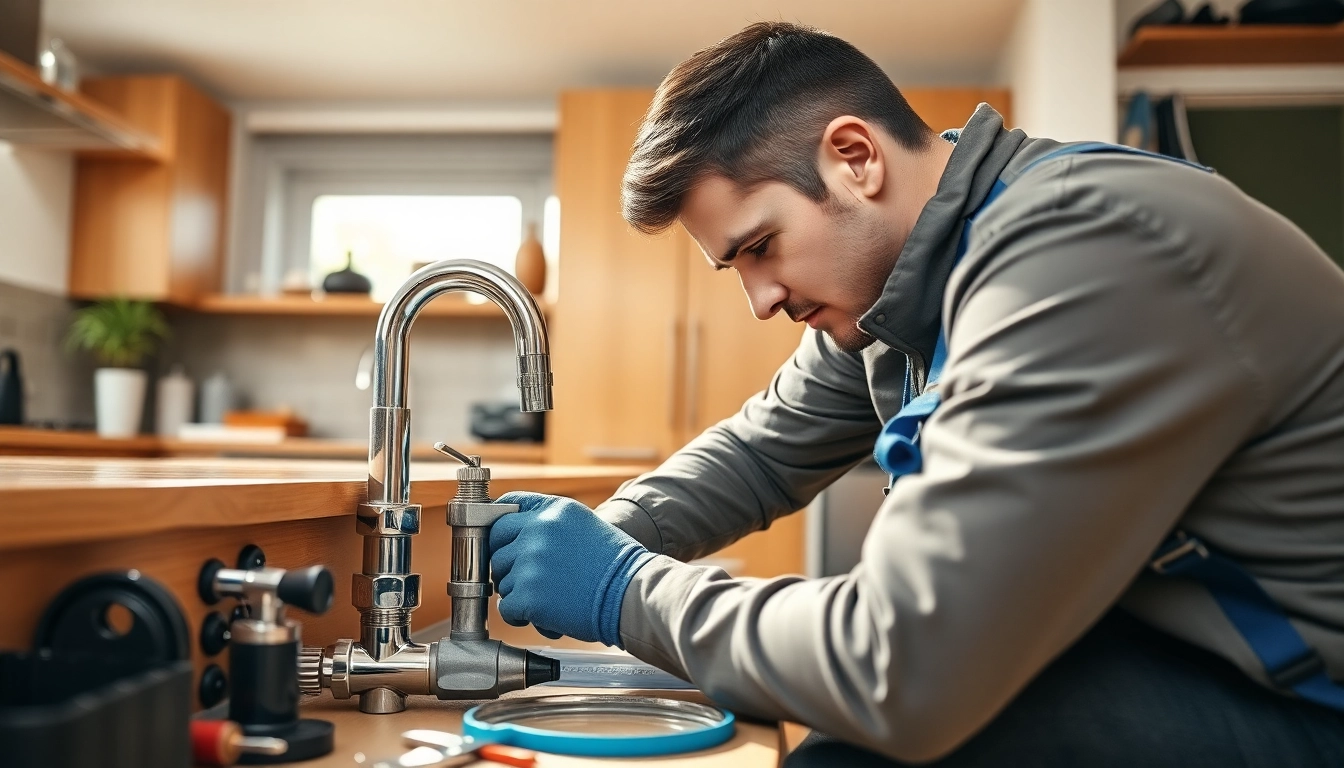
Understanding the Role of a Plumber Near Me
Plumbing is a vital aspect of any household or business, yet many people often underestimate its importance until a problem arises. When you search for a Plumber near me, you are seeking not just a service provider, but an essential figure in maintaining the functionality and safety of your environment. Understanding what a plumber does can empower you to make informed choices about hiring the right professional for your needs.
1. Key Responsibilities of Plumbers
Plumbers are trained professionals responsible for installing, repairing, and maintaining pipes, fixtures, and other plumbing systems. Here are some primary duties of a plumber:
- Installation: Plumbers install various systems, including water supply, waste disposal, and natural gas lines. They work with various materials such as copper, PVC, and steel to ensure reliable connections.
- Maintenance: Regular maintenance is crucial in preventing major plumbing issues. Plumbers perform inspections, clean hotspots, and address minor repairs to extend the lifespan of plumbing systems.
- Repairs: From fixing leaks to replacing faulty components, plumbers are equipped to handle a wide range of plumbing repairs. They troubleshoot issues efficiently, ensuring minimal disruption.
- Compliance: Plumbers must adhere to local plumbing codes and regulations, ensuring safety and legality in all their work. This is vital to prevent future issues and protect homeowners from liability.
- Consultation: A plumber often advises homeowners on best practices for system maintenance and water conservation measures, helping them to avoid costly repairs later.
2. Importance of Hiring Locally
Hiring a local plumber offers numerous benefits. Local plumbers typically have a better understanding of the community’s plumbing needs and local regulations. They are often quicker to respond to emergencies due to proximity, saving time and possibly preventing further damage.
Moreover, local businesses rely heavily on their reputation. This incentivizes them to provide high-quality service. Engaging with a local service provider also supports the local economy and fosters community relationships.
3. Common Plumbing Services Offered
When searching for plumbing services, it’s beneficial to be aware of the various offerings. Common services provided by a plumber include:
- Drain Cleaning: Clogged drains can lead to significant issues. Professional cleaning not only resolves the problem but also prevents future clogs.
- Pipe Repair and Replacement: Damage to pipes can lead to leaks and costly repairs. Plumbers can assess and replace damaged sections efficiently.
- Water Heater Services: Whether it’s installation, maintenance, or repair, plumbers ensure your hot water system functions optimally.
- Fixture Installation: This includes faucets, sinks, toilets, and showerheads, ensuring they are appropriately connected to the plumbing system.
- Sewer Line Services: Issues with sewer lines can be catastrophic. Professional plumbers can perform inspections, cleaning, and repairs to ensure sewer systems operate smoothly.
How to Assess a Plumber Near Me
When faced with a plumbing issue, choosing the right plumber can be overwhelming. However, by evaluating different aspects of potential candidates, you can find a plumber suited to your needs.
1. Evaluating Qualifications and Certifications
Always check the qualifications and certifications of a plumber before hiring. Licensed plumbers have undergone significant training and are tested on their knowledge of the trade. Look for certifications that indicate they are up to date with local building codes and standards. Additionally, relevant insurance proves they are covered for any mishaps that may occur while working in your home.
2. Reading Customer Reviews and Testimonials
Customer feedback is invaluable when assessing a plumber. Start by reviewing testimonials on their website or sites like Yelp and Google Reviews. Look for consistent patterns—positive or negative—to gauge their reliability and quality. Engaging with past customers can also provide direct insights into their experiences.
3. Comparing Services and Pricing
Not all plumbing services are created equal, and pricing can vary significantly. Request quotes from multiple plumbers and assess what services are included. Be cautious of prices that seem too good to be true, as this can lead to extra fees down the line. Transparent pricing and detailed service descriptions are signs of a reputable plumber.
Emergency Plumbing Situations
Plumbing emergencies can strike when least expected, demanding immediate attention. Understanding what constitutes an emergency and knowing how to respond can avert disaster.
1. Identifying Plumbing Emergencies
Common plumbing emergencies include severe leaks, burst pipes, overflowing toilets, or water heater malfunctions. If you notice significant water loss or hear unusual sounds from your plumbing system, it’s crucial to act swiftly. These issues can lead to property damage, mold growth, or safety hazards.
2. Immediate Steps to Take
When faced with a plumbing emergency, your first step should be to shut off the water supply to minimize damage. If it’s a sewer-related issue, avoiding drain usage is crucial. Next, contact a qualified plumber immediately—time is of the essence in preventing further damage.
3. How Your Plumber Near Me Can Help
A local plumber can provide prompt assistance in an emergency situation. They possess the necessary equipment to quickly diagnose and resolve issues. Experienced plumbers also understand safety protocols and can prevent hazardous situations from escalating, giving you peace of mind.
Preventative Plumbing Maintenance
Prevention is always better than cure, especially in plumbing. Regular maintenance can help homeowners avoid costly repairs and extend the lifespan of plumbing systems.
1. Tips for Homeowners
Homeowners can implement several preventative measures to keep their plumbing systems in top shape. Regularly inspect visible pipes for leaks, and check for slow drains. Additionally, avoid pouring grease down the sink and use strainers in drains to catch debris.
2. Schedule Regular Inspections
Scheduling periodic inspections with a qualified plumber can catch potential issues early. They can identify problems that may not be apparent to the untrained eye, ensuring that you address them before they escalate into emergencies.
3. Long-term Benefits of Maintenance
Investing in preventative maintenance can save significant costs over time. Regular check-ups lead to fewer emergency repairs, lower water bills, and increased efficiency of plumbing systems. Furthermore, it increases the value of your home by ensuring all systems function correctly.
FAQs About Hiring a Plumber Near Me
1. What should I look for in a plumber?
Look for licenses, insurance, and certifications. Read reviews and compare services to find someone with a good reputation and experience in your specific plumbing issue.
2. How much should I expect to pay for plumbing services?
Costs vary by region, job complexity, and plumber experience. Always request quotes and clarify what’s included to avoid unexpected charges.
3. Can I handle plumbing repairs myself?
While minor repairs like unclogging drains can be DIY, complex issues require professional help. Attempting significant repairs without expertise can lead to bigger problems.
4. What are the most common plumbing issues?
Common problems include leaks, clogs, running toilets, and low water pressure. Recognizing these issues early can prevent damages.
5. How do I prevent plumbing emergencies?
Regular maintenance, prompt repairs of small issues, and being cautious with what goes down drains can help prevent plumbing emergencies.